
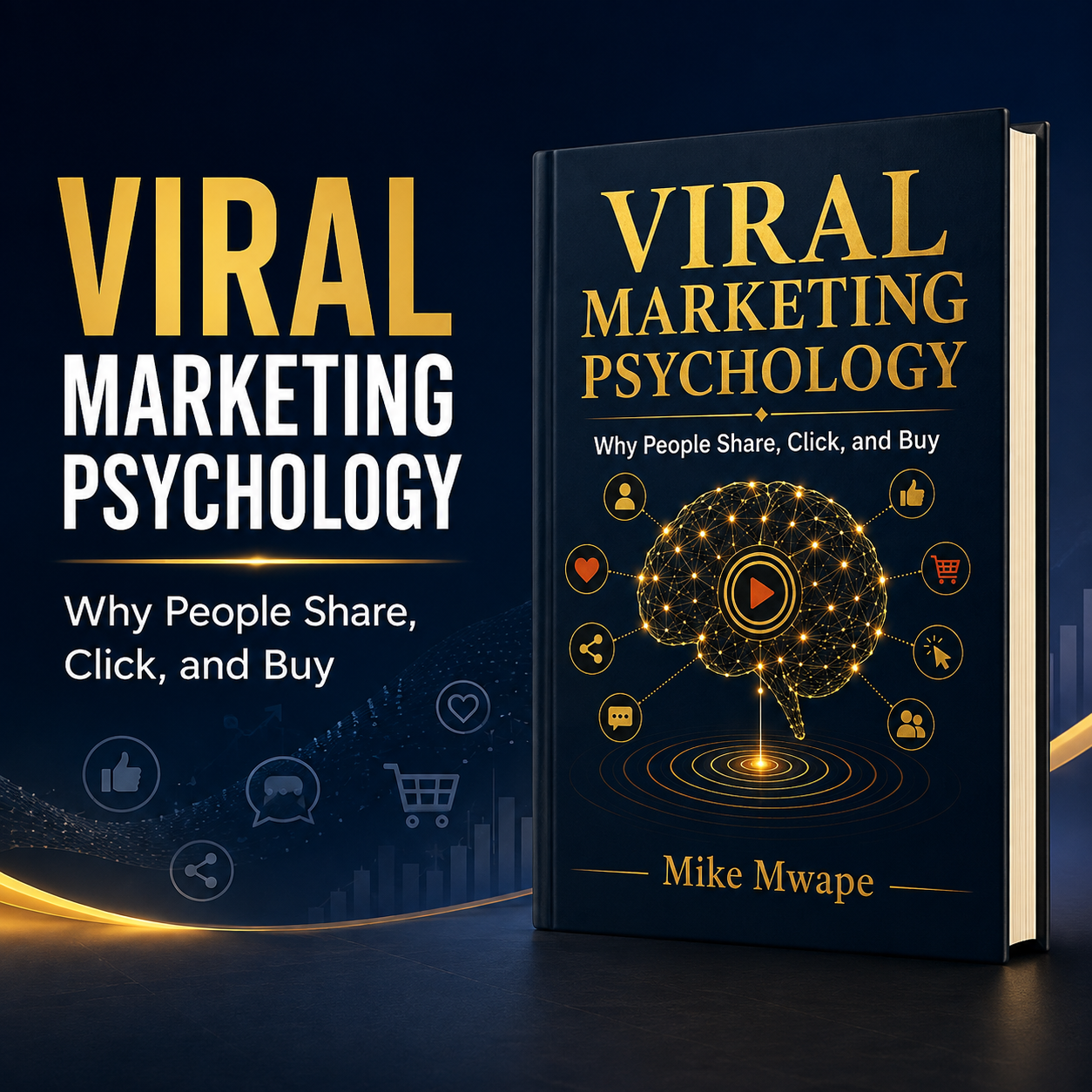
The Science of Attention, Influence, and Consumer Behavior in the Digital Age
Why does some content attract thousands of shares and sales while other content disappears without attracting attention?
Why do people click on certain headlines, trust particular brands, recommend some products, and ignore others—even when the alternatives offer similar value?
The answer goes beyond hashtags, posting frequency, and social media algorithms. It involves understanding human psychology: how people pay attention, respond to emotions, develop trust, make decisions, and choose what to share or buy.
If you are tired of guessing what works in marketing, Viral Marketing Psychology will help you understand the science behind effective communication and turn those insights into practical marketing strategies.
STOP GUESSING. START UNDERSTANDING YOUR AUDIENCE.
You can create excellent content, invest in advertising, and offer valuable products yet still struggle to generate engagement or sales. Often, the missing link is understanding how your audience thinks, feels, and makes decisions.
This evidence-based guide draws on research from neuroscience, behavioral economics, social psychology, and consumer behavior to explain why certain marketing messages capture attention and influence decisions.
Rather than simply telling you what to do, it explores why marketing techniques work—and how to apply them ethically and effectively.
WHAT WILL YOU LEARN?
1. Understand Why People Share Content
Discover the emotional and social motivations behind sharing, including the psychological triggers that can make content more memorable and shareable.
2. Capture Attention in a Crowded Digital World
Learn how attention and curiosity influence engagement, and discover practical approaches to creating messages that encourage people to stop scrolling and pay attention.
3. Write More Compelling Headlines
Explore 12 headline formulas designed to spark interest, communicate value, and encourage clicks without relying on misleading promises.
4. Use Psychological Principles of Influence
Understand social proof, authority, scarcity, reciprocity, and fear of missing out (FOMO)—and how to apply these principles responsibly in your marketing.
5. Tell Stories That Connect With People
Discover how storytelling can communicate ideas, create emotional connections, and make your brand more memorable.
6. Understand Why Customers Buy
Explore cognitive biases, decision-making processes, perceived risks, and the factors that can influence purchasing decisions.
7. Build Trust and Improve Conversions
Learn how trust signals, clear communication, and reduced purchasing friction can help customers feel more confident about taking action.
8. Develop Psychology-Driven Campaigns
Bring everything together with a six-stage campaign framework designed to guide audiences from initial awareness towards engagement, purchasing, and lasting customer relationships.
WHAT’S INCLUDED INSIDE?
This comprehensive guide contains four parts and 15 chapters covering human behavior, influence, attention, viral content, and purchasing psychology.
You’ll also receive:
- A 37-term psychology glossary to help you understand key concepts.
- A 30-trigger quick-reference guide for practical marketing application.
- A headline swipe file to inspire stronger marketing messages.
- A recommended reading list for further learning.
- An APA-formatted bibliography supporting further research.
WHO SHOULD READ THIS BOOK?
This book is ideal for entrepreneurs, small-business owners, digital marketers, social media managers, content creators, copywriters, freelancers, coaches, consultants, e-commerce sellers, affiliate marketers, and marketing agency owners.
Whether you are building a business in Zambia, elsewhere in Africa, or an international market, these psychological principles can help you think more strategically about your audience and marketing communication.
Stop creating content based on guesswork. Start understanding the people you want to reach.
Get Viral Marketing Psychology: Why People Share, Click, and Buy by Mike Mwape and discover how to apply the science of human behavior to create more engaging content, build customer trust, and develop more effective marketing campaigns.
This book provides educational insights and practical frameworks, not a guarantee of viral reach, sales, or business results. Outcomes depend on your audience, offer, execution, and market conditions.
Features:
- A 37-term psychology glossary to help you understand key concepts.
- A 30-trigger quick-reference guide for practical marketing application.
- A headline swipe file to inspire stronger marketing messages.
- A recommended reading list for further learning.
- An APA-formatted bibliography supporting further research.
Seller Information

Location
Related Ads


Leave feedback about this